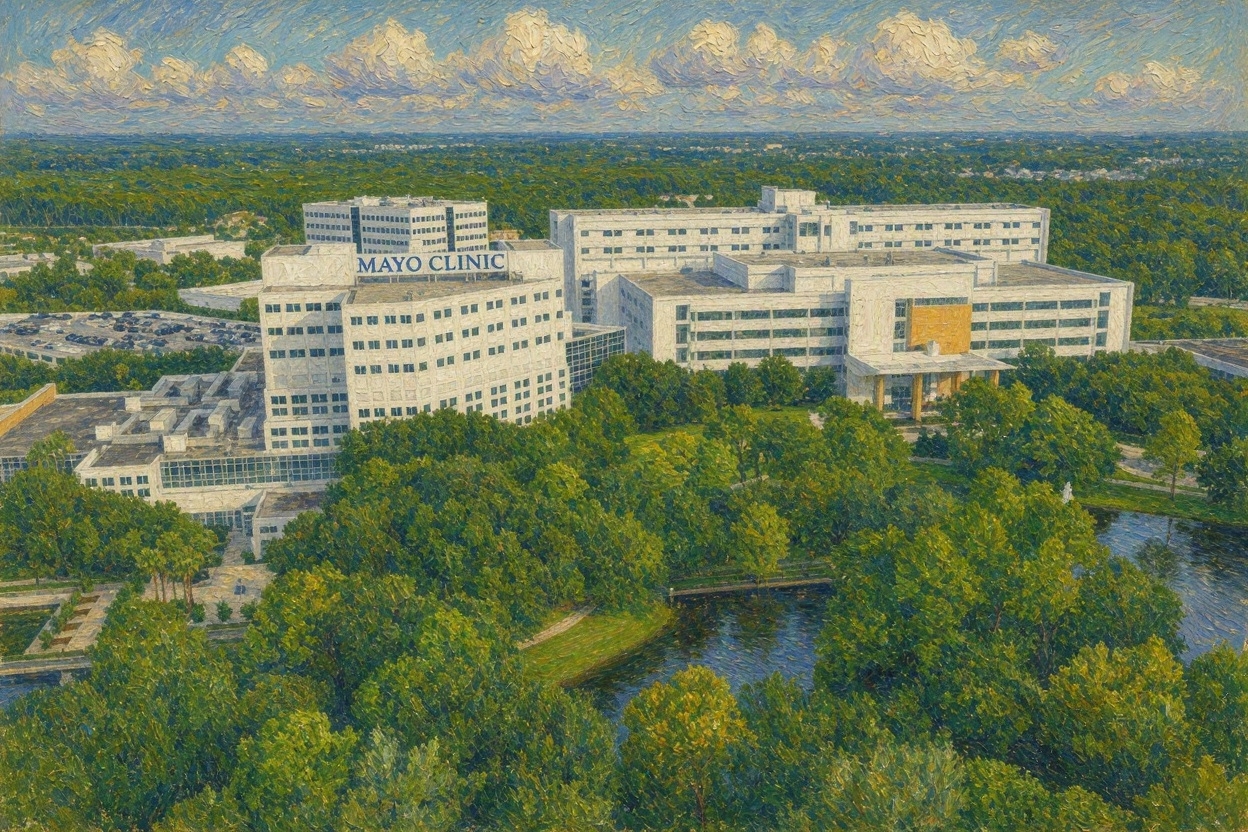
Jacksonville sprawls across more land than any other city in the continental United States. That scale shapes how its students build a college application. A student in Mandarin attends different schools than a student near the Northbank. However, both share a single school district and a single river running through the middle of it all. For students aiming at selective colleges, that mix of size and unity creates a genuine opportunity. Jacksonville offers research hospitals, a major seaport, and a sprawling library system, all reachable within one metro area. The challenge, as in any large city, is choosing depth over breadth.
The National Admissions Picture
Florida sends a large number of applicants to selective colleges every year. Jacksonville students compete within that statewide pool, and they also compete nationally. Florida’s Bright Futures scholarship, combined with in-state tuition at UF and FSU, pulls many strong students toward those two flagships. That pull is worth noticing and deserves a second look before a student commits to it.
Beyond the Flagship Anchor
Families in Jacksonville, like families in most large Southern cities, often default to the nearest well-known public university. UF and FSU are excellent schools, and applying to them makes sense for many students. That said, a Bright Futures-funded flagship path is not the only path. Selective colleges outside Florida read Jacksonville applications with fresh eyes, since Duval County sends a smaller applicant pool than Miami-Dade or Orange County. In turn, a well-built profile from Jacksonville can stand out, simply because admissions officers see fewer of them.
Early Decision matters here too. A student who has identified a genuine first-choice college outside Florida can use ED to signal that interest in a way EA cannot. But ED only helps students who have already built a strong record. It is not a substitute for one. Geographic novelty opens a door, but it does not walk a student through it.

What Makes Jacksonville Distinctive
Jacksonville’s identity is inseparable from the St. Johns River, one of the few major rivers in North America that flows north rather than south. The river bends through downtown, past the Mayo Clinic campus, and out to the Atlantic at Mayport, where the U.S. Navy has maintained a base since World War II. Growing up around a northward-flowing river, a working port, and a naval installation gives students specific, textured material for college essays. That said, they should resist the urge to summarize the whole city in one paragraph.
The 1968 consolidation of the city and Duval County government created something else worth noting. Jacksonville is not just large; it is administratively unified. A single mayor, a single school board, and a single library system serve the whole county. As a result, a student researching city government, public health data, or environmental policy can access consistent countywide records. Instead of piecing together information from a dozen separate municipalities, that student works from one clean data set. That kind of accessible public data has real value for an independent research project, and it connects naturally to the specific opportunities below.
Programs and Opportunities for Jacksonville Students
Mentored Research at Mayo Clinic
The Mayo Clinic campus in Jacksonville runs the SPARK Research Mentorship Program. It places high school juniors and seniors from Duval and St. Johns County schools into working laboratories for a full summer of mentored research. Students commit to roughly 25 hours a week in the lab. There, they work alongside Mayo Clinic scientists on projects spanning neuroscience, cancer biology, and immunology. The online application window opens October 15 and closes December 4.
Selection is highly competitive, since the number of spots depends on how many Mayo Clinic faculty members volunteer to mentor that year. Students who are accepted typically walk away with a completed, presentable research project. That is a different outcome than simply observing a lab in action. Notably, that distinction matters for admissions readers, who can tell the difference between a student who watched research happen and one who produced it. A student weighing this kind of depth against a wider set of activities should remember that colleges consistently favor the former.
A Paid Path into the Local Workforce
For students who want workplace experience rather than a laboratory bench, the Mayor’s Youth at Work Partnership (MYAWP) offers another route. The program is administered through the City of Jacksonville’s Kids Hope Alliance and its nonprofit partners. It places Duval County youth ages 16 to 21 into paid internships with local employers. Applicants need a 2.0 cumulative GPA, plus proof of current school enrollment. Each participant is also paired with a dedicated job coach, who manages onboarding, workplace expectations, and ongoing support.
Because MYAWP works with a wide range of local businesses, a student’s placement can align closely with an academic interest. That interest might be finance, healthcare administration, or logistics tied to the port. Beyond the paycheck, the program builds professional habits: showing up on time, communicating with a supervisor, and managing a first bank account. Colleges reading an application from a student with sustained, paid work experience understand something important. That student has already handled real responsibility, and it carries its own weight alongside more traditional research or leadership activities.

International Exposure Through GlobalJax
GlobalJax, Jacksonville’s nonprofit council for international visitors and global business, runs a High School Internship Program. It is open to public and private school students across the metro area. Interns support the organization’s core work of coordinating international visitor exchanges and education programming. Depending on their interests, they may also help with event planning, fundraising, or public policy research. The internship is unpaid. It runs on a rolling basis across the fall, spring, and summer semesters, with a small number of seats available each term.
For a student drawn to international relations, trade policy, or global business, this internship offers something the classroom cannot. It offers direct contact with the visiting diplomats and business leaders who pass through a port city like Jacksonville. It connects to the region’s broader trade identity, since Jacksonville’s economy runs on international shipping and logistics through JAXPORT. A student who pairs this kind of civic internship with strong coursework in economics or a foreign language builds a coherent, believable interest instead of a scattered list of activities.
Countywide Access Through the Public Library
The Jacksonville Public Library accepts teen volunteers ages 12 to 18 across its branch network. Opportunities range from general shelving and event support to seats on individual branch Teen Advisory Boards. Applicants complete an interview and a background screening. The paperwork packet also includes two letters of recommendation and a parental permission form. Students ages 12 to 15 are limited to Teen Advisory Board roles and summer opportunities, while those 16 to 18 can take on a broader range of tasks.
This is a lower-barrier entry point than a hospital or laboratory placement, and it is worth taking seriously. A student who volunteers consistently at the same branch over two or three years builds something real. Moving from general shelving into a Teen Advisory Board leadership role demonstrates sustained commitment. Selective colleges notice that pattern far more than a single flashy summer program. In short, consistency matters more than prestige.

Building a Profile That Reflects the City
None of these programs functions as a shortcut. Selective colleges look for depth in one or two areas over time, not a checklist of unrelated activities completed for a resume line. A student who spends two summers in the SPARK lab tells admissions readers a clear story. So does a student who moves from a MYAWP internship into a related part-time job. By contrast, a student who tries every opportunity once tells a scattered one. In the end, the specific programs above matter less than the pattern behind them: pick something real, in a place with real resources, and stay with it.
Jacksonville gives students an unusual amount of that kind of raw material. It ranges from a research hospital to a working seaport to a countywide library system. For students across Northeast Florida, College Transitions works to translate that material into an application that reflects genuine, sustained engagement.