Naples has a reputation built on beaches and golf courses. Today, though, the city also runs a working set of programs where high schoolers can log real hours and build real skills. These experiences generate the kind of material that makes a college essay memorable.
Naples in the Admissions Landscape
Florida sends a large number of applicants to selective colleges every year. Naples, however, represents a comparatively small slice of that pool next to Miami, Orlando, and Tampa. A smaller local pool can work in a student’s favor, particularly at colleges that read applications with an eye toward geographic and school-level context. That said, a favorable location only helps students who arrive with a strong academic record. It does not substitute for one.
Many Naples families default to the University of Florida or Florida State as a first choice. This pattern is sometimes called flagship anchor bias. Broadening the college list beyond the in-state flagships can meaningfully improve outcomes, and so can applying Early Decision where a student has a clear first choice. For students who have already built a competitive profile, both moves are worth serious consideration.
Coastal Conservation and Wildlife Work
Naples Zoo Volunteen Program
Naples Zoo at Caribbean Gardens runs a Volunteen Program for high school and homeschool students. Participants want hands-on experience in an animal care and conservation setting, and the program delivers it directly. Volunteens serve two to four times per month. They also commit to a minimum of 40 hours across the year, working throughout the zoo’s grounds alongside staff and other volunteers. In addition, participants gain access to behind-the-scenes tours and animal encounters that are not open to the general public.
This program offers consistent, documented service hours for students interested in wildlife biology, conservation, or environmental science. Naples is a gateway to the Ten Thousand Islands and the Everglades, so the setting connects directly to that identity. Students apply through the zoo’s volunteer portal and complete an orientation before their first shift.
Health Care Exposure
NCH VolunTeen Program
Naples Comprehensive Health (NCH) is the region’s primary hospital system. Each summer, NCH runs a nine-week VolunTeen program for local high schoolers. Placements include patient concierge work, family waiting room support, infection prevention, patient rounding, physical therapy assistance, office roles, and social media support. Applicants complete an interview and orientation first. NCH also trains every volunteer on HIPAA and its confidentiality standards before their first shift.
For students considering pre-med, nursing, or public health, this program carries particular value. It places them inside an actual hospital system, not a classroom simulation.
Civic Leadership
Youth Leadership Collier
Youth Leadership Collier runs each summer for students moving between their junior and senior year. The program is open to public, charter, private, and homeschooled students across the county. It receives more than 70 applications annually and admits roughly 35 students through an interview process. Selected students spend Government Day with the Collier County Clerk of the Circuit Court and Comptroller’s office. During that day, they tour government departments, sit in on a Board of County Commissioners meeting, observe a court case, and run through a mock commission meeting of their own.
Students who want to write about local government or civic engagement will find this program useful. It supplies specific, place-rooted material that a generic community-service essay cannot match. Because admission is competitive, students should apply early in their junior year. They should also be ready to speak concretely about why local government interests them.
Museums and STEAM
Golisano Children’s Museum of Naples (CMON) Teen Volunteer Program
CMON, Naples’ children’s museum, runs a dedicated Teen Volunteer Program for students ages 14 to 18. The time commitment ranges from four to eight hours per week. A minimum of 20 hours is required per term. Roles include exhibit assistance, visitor engagement, and support for the museum’s STEAM-themed programming. Notably, service hours are documented, and students can submit them for school-based community service credit.
This program suits students who want ongoing, low-barrier experience working with children and educational content. In turn, that experience can support essays about mentorship, informal science education, or community outreach. Applicants complete a volunteer application directly through the museum.

What Makes Naples Distinctive
The Ten Thousand Islands Gateway
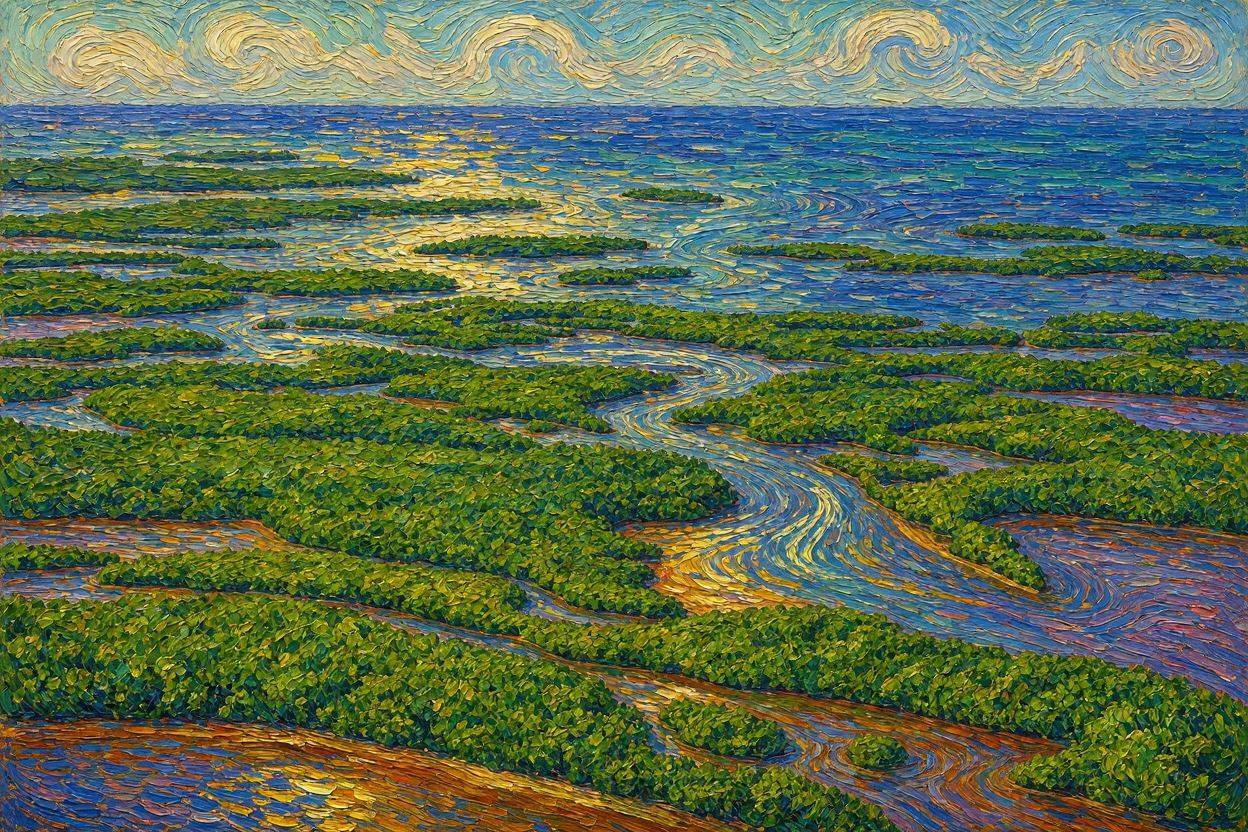
Naples sits at the edge of one of the largest undeveloped mangrove estuaries in North America. That geography shapes daily life here in ways a student from an inland city would not experience. Kayaking through the Ten Thousand Islands is one example. Watching the tide move through a backyard canal is another, as is tracking a red tide bloom on the local news. These are specific, sensory details. By contrast, “I love nature” tells an admissions reader nothing at all. Students who spend real time on the water here have material that belongs to them, not to a travel brochure.
Old Naples and the Pier
Downtown Naples, often called Old Naples, keeps a historic grid of low-rise buildings. Its wooden fishing pier has stood, in various rebuilt forms, since 1888. The pier has survived multiple hurricanes, including damage that required rebuilding in recent years. Its persistence says something about how the city rebuilds itself after every storm. A student who has watched that rebuilding process up close, rather than visited once as a tourist, has access to a resilience story that goes beyond the postcard version of the town.
Collier County’s agricultural communities, particularly Immokalee, carry a distinct history rooted in the farmworker and Seminole communities that built them. That history belongs most authentically to the students who have lived it. It should not be treated as general essay material by students writing from Naples’ coastal neighborhoods instead.
In short, Naples gives students real access to conservation work, hospital exposure, civic leadership, and museum-based education. Access alone, however, will not write the essay or build the transcript. Students who combine these local resources with sustained academic effort put themselves in a strong position, and an advisor at College Transitions can help turn that local experience into a coherent, competitive application strategy.