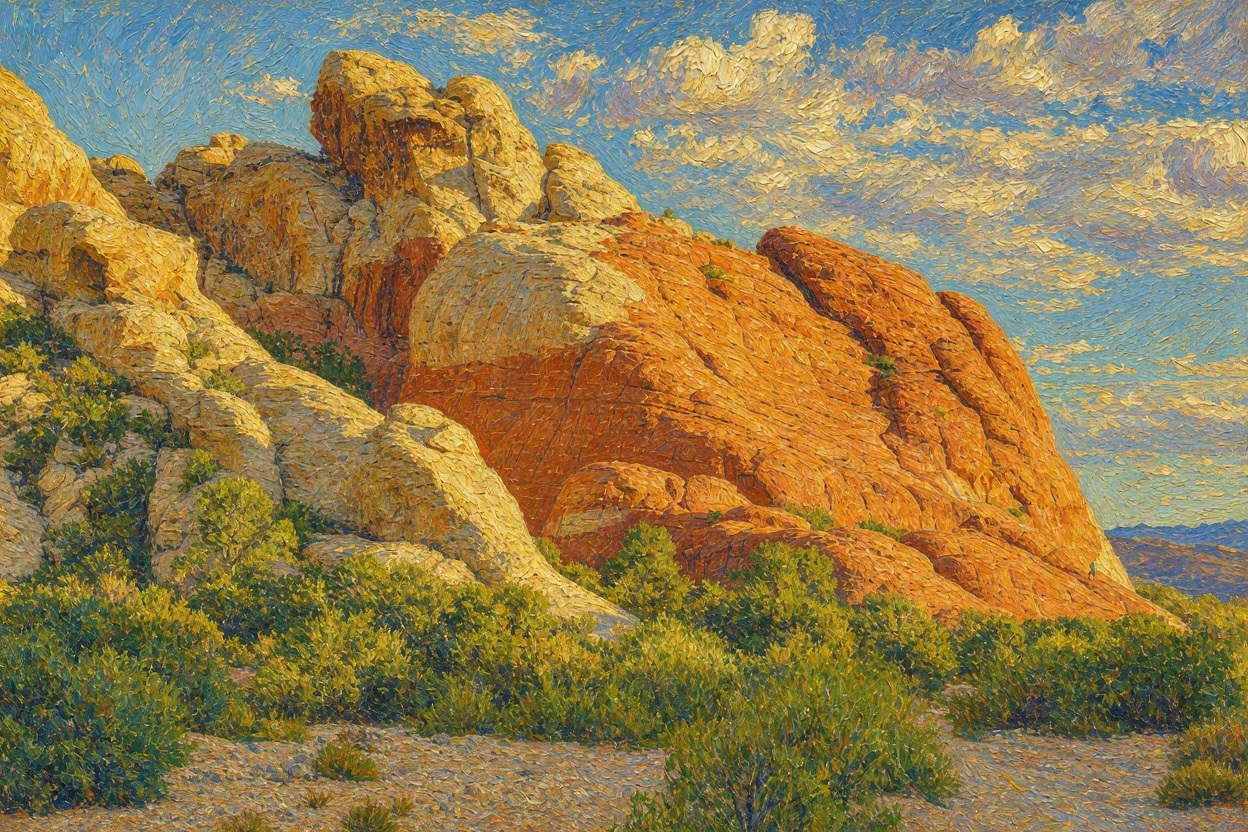
Summerlin sits at the western edge of the Las Vegas Valley. Master-planned neighborhoods give way to the red cliffs of Red Rock Canyon here, and that location is more than scenery. Students are minutes from a research university with a globally unique academic specialty. They are also close to a growing hospital corridor and a Downtown district built around live entertainment and professional sports. Selective colleges are not impressed by proximity alone, however. What matters is what a student does with the resources nearby. Summerlin offers several high-school-specific ways to build that record.
The National Admissions Picture for Nevada Students
Nevada sends relatively few applicants to the most selective colleges in the country each year. That pattern traces back to the state’s small population and thin admissions history at Ivy League or “New Ivy” schools. As a result, Summerlin students often face a thinner applicant pool than peers in California or New York. Admissions offices building a geographically diverse class notice that thinness, and it can work in a Nevada applicant’s favor. That said, this advantage only helps students with a genuinely strong profile already in hand. A Nevada zip code does not substitute for rigorous coursework.
That geographic edge also interacts with a strong local pull. The Nevada Millennium Scholarship covers up to $10,000 toward tuition at any Nevada System of Higher Education school. Eligible students need a 3.25 GPA or a 1070 SAT score (21 ACT). It is generous, and it understandably draws many Summerlin families toward UNLV or the University of Nevada, Reno by default. Families should treat that in-state option as one item on a longer list. That is especially true if a student’s profile could compete at more selective out-of-state or private colleges. Nevada also administers the ACT statewide, which shapes which test most Summerlin students take by default. In the end, though, strong performance on either test matters far more than which one a student sits for.

What Makes Summerlin Distinctive
The Howard Hughes Corporation planned Summerlin from the ground up in the 1980s. Today, the result is a series of interconnected “villages” wrapped around parks, trails, and golf courses. That structure gives students an unusually literal case study in urban design. It can anchor a college essay about community far more effectively than a vague reference to “growth.” The community also borders Red Rock Canyon National Conservation Area, where sandstone cliffs rise 3,000 feet above the valley floor. Many Summerlin students grow up hiking or climbing there long before they think to write about it.
Downtown Summerlin is the district’s retail and entertainment core. It is also home to City National Arena, the practice facility of the Vegas Golden Knights. The arena sits at the center of the city’s fast-growing hospitality and sports-business economy. That economy connects directly to UNLV’s International Gaming Institute (IGI). IGI is the only academic research center in the country focused specifically on the gaming and casino resort industry. Few American suburbs link a student’s surroundings this directly to a nationally distinctive academic field.
Programs and Opportunities for Summerlin Students
Building a Hospitality and Business Profile Through UNLV’s YES Program
Students drawn to the business side of Nevada’s signature industry have a direct path. UNLV’s Young Executive Scholars (YES) Tourism & Hospitality Program, run through the International Gaming Institute, is that path. The program runs four weeks each summer. Eligible applicants are current sophomores, juniors, or seniors attending a Clark County high school. Additional recommended application criteria include a family gross income of $60,000 or less, Title 1 school attendance, or first-generation college-bound status. Participants attend workshops and weekly field trips to Las Vegas resorts, and they meet hospitality executives along the way. Teams also design an “integrated resort of the future,” and the winning team earns scholarship money toward college. Notably, the program is free and includes lunch and a laptop.
That kind of structured mentorship builds naturally into other forms of local engagement, and Summerlin’s own civic institutions offer several. The Summerlin Library runs a Youth Services volunteer program for students ages 14 to 17. It is part of the Las Vegas-Clark County Library District. Volunteers assist with programming, shelving, and events at the branch. It is unpaid and application-based. Even so, a weekly shift at a library close to home demonstrates consistency to an admissions reader. That matters most for a student who wants sustained, multi-year civic involvement rather than a single summer commitment.
Gaining Clinical Exposure at Summerlin Hospital Medical Center
Students interested in medicine have an option close to home as well. Summerlin Hospital Medical Center is a 454-bed acute care facility. It runs a year-round Teen Volunteer Program for applicants between the ages of 16 and 18. Openings depend on space availability, so students should apply early and stay flexible about timing. Accepted volunteers commit to one four-hour shift per week for a minimum of 100 hours. Most start as greeters at an information desk before moving into a department that matches their interests. Applicants submit a teen volunteer application along with a recent report card. Returning volunteers from the past two years do not need to reapply. A hundred hours across a school year is not a research fellowship. It is, however, exactly the sustained, verifiable commitment admissions readers weigh more heavily than a scattered list of one-time activities.
Exploring Desert Science at Springs Preserve
For students interested in environmental science, Springs Preserve offers a well-documented volunteer program about twenty minutes from Summerlin. The 180-acre site combines a botanical garden, museums, and trails built around the valley’s original natural springs. It accepts volunteers starting at age 16, and applicants aged 16 and 17 must submit a parental permission agreement. Volunteers can work in the Botanical Garden, teaching sustainable desert gardening. Others engage visitors in the museum and exhibit spaces while explaining the Mojave Desert ecosystem. Springs Preserve explicitly values long-term volunteers, and a student who commits across multiple semesters builds an authentic environmental record. That record, in turn, becomes a specific essay topic about desert ecology, not a vague love of nature.

Final Thoughts
None of these programs substitutes for rigorous coursework, and none will carry an application alone. What selective colleges consistently reward is depth. Picture a student who returns to the same hospital floor, library desk, or botanical garden bed for years. That beats sampling a dozen activities without ever going deeper than a single afternoon. Summerlin students who combine that kind of sustained, local commitment with strong grades and testing stand out. UNLV’s YES program, the Summerlin Library, Summerlin Hospital, and Springs Preserve each offer a real way to build that picture. Doing so well before senior year is precisely the work College Transitions helps Summerlin families do.