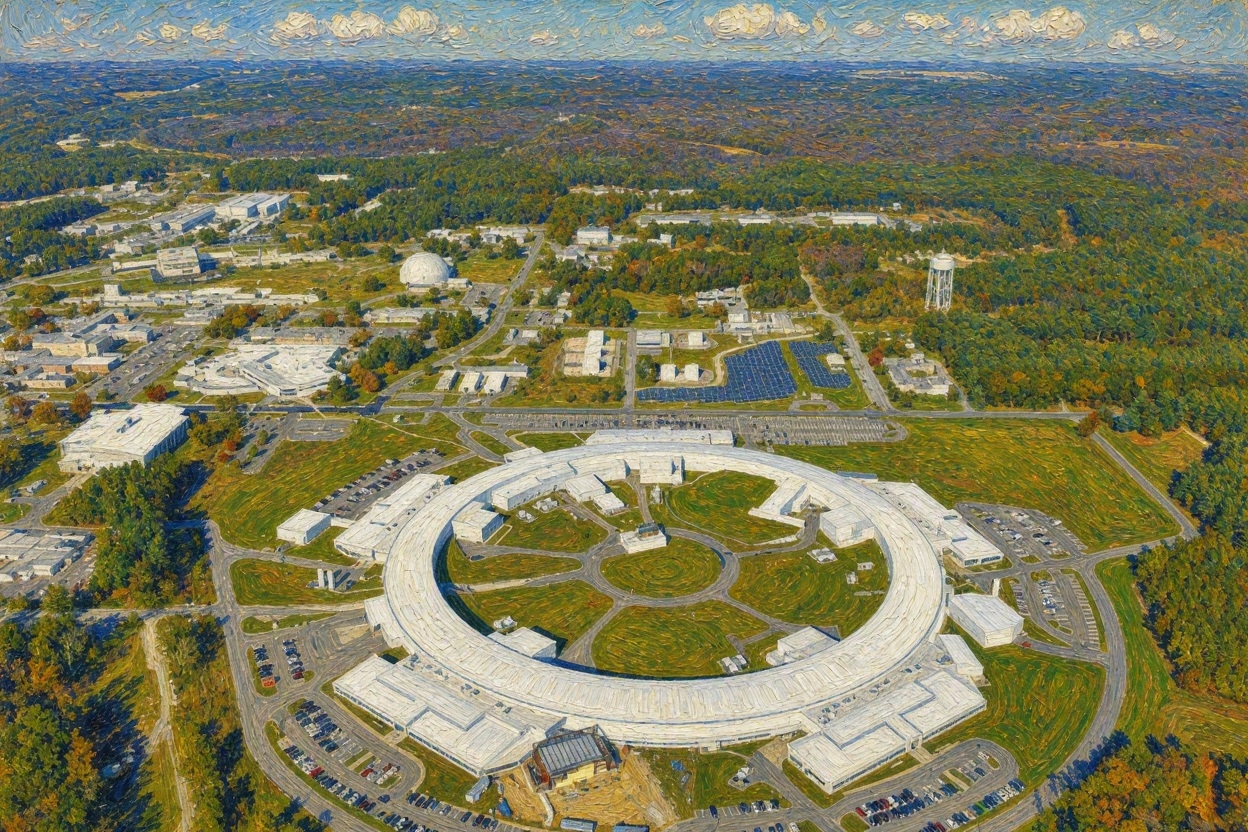
Suffolk County stretches from crowded parkways near New York City to the vineyards and docks of the North Fork. That range shapes what a strong college application can look like here. A student in Commack has easy access to a national physics laboratory. Another student, in Riverhead, can spend a summer alongside marine biologists. For students, the county’s mix of federal research infrastructure, a major public research university, and a working coastline offers real, verifiable ways to build depth.
The National Admissions Picture
New York is not an underrepresented state in elite admissions. Long Island in particular sends a large volume of applicants to selective colleges every year. As a result, Suffolk County competes in one of the most saturated applicant pools in the country. Consequently, a strong transcript and a handful of extracurriculars rarely stand out on their own. Students need a body of work that shows sustained engagement with a specific interest, not a scattershot list of clubs. Depth matters more than breadth. Local research institutions can help with that, but only for students who have already built academic strength.
The SUNY Flagship Bias
Many Suffolk County families default to Stony Brook University or another SUNY campus as the safe, known option. There is nothing wrong with that choice on its own merits. However, students aiming for the most selective private colleges should not let geographic convenience narrow their list too early. Binghamton, Stony Brook, and the broader SUNY system are excellent schools. That said, a student capable of competing at Cornell, Duke, or MIT should build a list that reflects that ceiling. Settling early out of familiarity does that student a disservice. Early Decision can be a genuine strategic tool here, too. A student with a clear first choice and a strong financial picture can use ED to signal commitment. That decision should follow real research, though, rather than a rush to lock something in. In the end, geography only becomes an advantage once the underlying profile is already competitive.

What Makes Suffolk County Distinctive
Suffolk County is home to Brookhaven National Laboratory, one of the country’s major federal science facilities. It is also home to Stony Brook University, a flagship research campus with an active research culture. Together, these two institutions give local students a level of access to working scientists that most American teenagers never get.
Beyond the labs, the county’s identity splits sharply between its western suburbs and its eastern half. The North Fork’s vineyards and farmland, the Hamptons’ resort economy, and the Peconic Estuary’s shellfish beds all sit within the same county. That contrast gives students unusually specific material for college essays about place. A student who has spent a summer at a federal lab writes differently about scientific curiosity than one who has only read about it. The same is true of a student who has logged hours on a water quality boat in Huntington Bay. Suffolk’s maritime history runs even deeper. Cold Spring Harbor, just over the Nassau County line, was a whaling port in the nineteenth century. The region’s relationship with the water has shaped its economy for generations. With that geographic and institutional range established, the opportunities below show how students can turn it into real experience.
Programs and Opportunities for Suffolk County Students
Brookhaven National Laboratory High School Research Program
The High School Research Program at Brookhaven National Laboratory in Upton places students directly alongside the lab’s scientific and technical staff. Participants work on active research projects tied to the Department of Energy’s mission. The six-week commuter program runs from early July through mid-August. Past projects have included computational studies of infectious disease proteins, as well as work tied to the lab’s major physics facilities. Eligibility is fairly specific. Applicants should have completed eleventh grade and be at least 16 years old by the program’s start. They must also hold U.S. citizenship or permanent residency. Active health insurance is required for the program’s duration, too. The application window typically opens in January and closes in March. A complete application also requires two recommendation letters from a teacher or mentor, ideally in a STEM subject. Because the lab sits in the middle of Suffolk County, students from across the county have a genuine commuting advantage over applicants from farther afield. That proximity is worth building a research resume around.
Simons Summer Research Program at Stony Brook University
For students who want a stipended, on-campus research experience, the Simons Summer Research Program at Stony Brook University is a strong option. It pairs current high school juniors with faculty mentors across science, math, and engineering. The program runs for roughly six weeks each summer, from late June into early August. It closes with a poster symposium, where students present their findings and receive a stipend. Applicants must be nominated by a school official, and each school is limited to two nominees. A complete application includes a transcript and two letters of recommendation. The nomination deadline typically falls in late January with the full application due in early February. Notably, because Stony Brook sits inside Suffolk County, local students can commute rather than pay for campus housing. That option meaningfully lowers the practical barrier to participating.
Long Island Aquarium High School Internship
In Riverhead, the Long Island Aquarium runs a year-round high school internship. It gives students structured, hands-on exposure to marine biology, animal care, and conservation work. This differs from a purely academic research setting. The internship requires a minimum of 120 hours. Interns can start during the fall, spring, or summer, depending on availability and their own school schedules. Applicants submit a short resume and a letter of interest explaining their motivation. They also need a recommendation letter from a teacher, counselor, or administrator, rather than a parent or relative. The internship itself is unpaid, and transportation is the student’s own responsibility. That said, the aquarium is recognized by the Long Island Works Coalition for its career mentoring. Students interested in marine science, veterinary work, or conservation gain a different kind of experience here than they would in a university lab. For students on the East End especially, this program sits close to home. It also connects directly to the working waters that define the region.
Cold Spring Harbor Laboratory Partners for the Future
Just across the Suffolk-Nassau border in Laurel Hollow, Cold Spring Harbor Laboratory runs Partners for the Future. The long-running program places Long Island high school juniors into biomedical research labs for the school year. Students are nominated by their school’s science chairperson, and each school may put forward up to two nominees. Semifinalists then interview directly with lab scientists before final selection. Winners commit at least 10 hours a week from September through March, working under a scientist mentor. The program closes with an oral presentation of each student’s research to lab staff, mentors, and family. Because the program draws from high schools across all of Long Island rather than Suffolk County alone, admission is competitive. That said, students within commuting range of the North Shore have a real shot and Suffolk County students have been accepted in recent years. As a regional counterpart to the county’s own research institutions, it is worth including on any serious applicant’s list.

Final Thoughts
Selective colleges are not looking for students who checked every available box. Instead, they are looking for students who went deep in one or two areas. They also want students who can talk specifically about what that work taught them. A summer spent counting cells at Brookhaven, or logging fish behavior at the Long Island Aquarium, matters far less than what a student did with that experience afterward. That might mean an independent follow-up project or a presentation at a school science fair. It might also mean simply a clearer sense of what to study in college. Suffolk County’s combination of a national laboratory, a major research university, and a genuinely distinctive coastline gives students real raw material to work with. In the end, though, only sustained engagement turns that material into a competitive application. College Transitions works with Suffolk County families to translate exactly that kind of local opportunity into a college list and an application strategy built around a student’s actual strengths.