Indianapolis high schoolers often assume a strong college list starts an hour away, in Bloomington or West Lafayette. However, the city itself is a working laboratory. It offers the kind of sustained, hands-on experience that selective admissions offices notice. Indianapolis rewards students who look past the interstate loop and into their own zip code.
The National Admissions Picture
Indiana sits in a comfortable middle ground nationally. It is not an overrepresented pool like California or New York. Nor is it so sparsely populated that colleges actively recruit there. As a result, Indianapolis students compete mainly on the strength of their own profiles. That said, a student from a well-known suburban district still needs a distinct identity. Otherwise, they blend into a crowd of similarly credentialed Midwestern applicants.
Indiana also administers the SAT statewide. Most Indianapolis students report scores between 1150 and 1440, depending on coursework rigor and target school selectivity. Early Decision can meaningfully help a well-prepared applicant here. This is especially true at private universities that see relatively few Indiana applications and view a binding commitment favorably.
The Local Flagship Anchor Bias
Many Indianapolis families default to Indiana University Bloomington or Purdue University West Lafayette. Both sit roughly an hour away, and both are familiar and affordable. Nothing is wrong with either school but treating one as an automatic first choice can narrow a student’s thinking too early. Instead, a more useful approach builds the list around specific programs and research fit. Only then should a student decide whether the flagship belongs on it, and for its own merits rather than by default.
What Makes Indianapolis Distinctive
Indianapolis is home to Eli Lilly and Company, one of the largest pharmaceutical employers in the country. Additionally, it hosts BioCrossroads, the initiative that has grown the city’s life sciences sector for two decades. This concentration of biotech and health care institutions matters. It gives Indianapolis students a genuine, local pathway into laboratory research and clinical exposure, one that students in smaller metro areas simply do not have.
The city’s cultural geography also stands out. White River State Park anchors a walkable downtown campus that includes the Indianapolis Zoo, the NCAA Hall of Champions, the Eiteljorg Museum, and the Indiana State Museum. Notably, all of it connects along the Indianapolis Cultural Trail. For students, this density matters practically. Internships, volunteer roles, and research sites sit within a few blocks of one another, rather than scattered across a sprawling suburb.
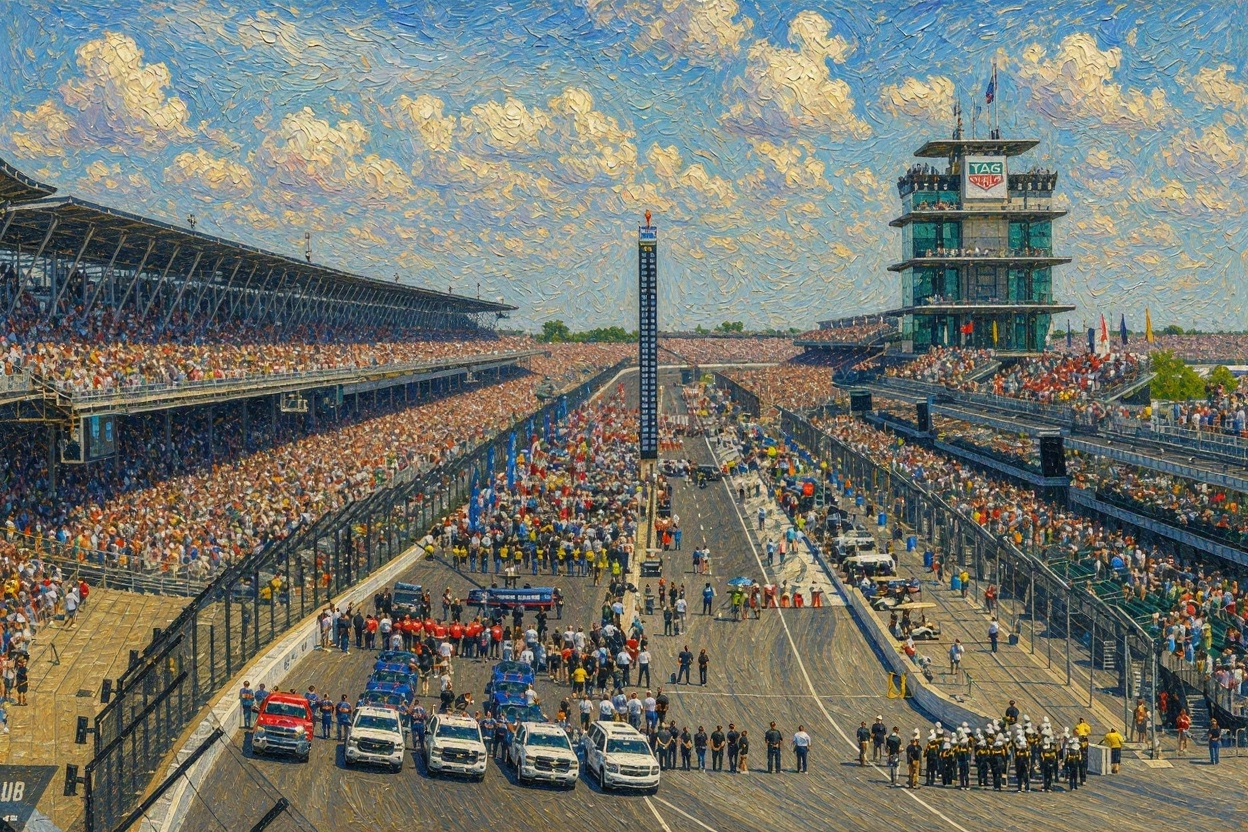
Beyond science and culture, Indianapolis carries a global identity through the Indianapolis Motor Speedway and the Indy 500. That heritage shapes local pride, even for students whose interests run elsewhere entirely. Together, these assets give Indianapolis students unusually specific material for supplemental essays grounded in place, rather than generic enthusiasm.
Programs and Opportunities for Indianapolis Students
Future Scientist Program at the IU Simon Comprehensive Cancer Center
For students drawn to biomedical research, the Future Scientist Program is a strong starting point. It places current high school juniors from Indianapolis and Marion County public schools into an eight-week, paid research experience. The setting is the IU School of Medicine’s downtown campus, and each participant also works under the mentorship of a university researcher. Admission depends on scholastic ability, school attendance, and a minimum 3.0 grade point average, not on prior lab experience.
Applications typically open in the fall and close by late February. Consequently, students should plan ahead during sophomore year if they want a competitive package ready in time. A student who completes this program walks away with a genuine research narrative, not a summer camp certificate. That distinction matters when admissions readers compare dozens of similar-sounding STEM applicants.
Eskenazi Health VolunTeen Program
Eskenazi Health, the public hospital affiliated with the IU School of Medicine, runs a selective VolunTeen program. It is open to teenagers ages 14 to 18 who want direct exposure to health care careers. The program runs in two-week sessions each June and July. It accepts roughly 50 to 60 students annually out of a much larger applicant pool.
In the first week, participants take part in professional development workshops and guided hospital tours. The second week moves into mock rotations: shadowing physicians and rotating through clinical and business offices. Applications open in early February and close by the end of the month.

Indianapolis Zoo Teen Program
Located inside the White River State Park cultural campus, the Indianapolis Zoo’s Teen Program accepts volunteers ages 13 to 17. Participants gain structured, ongoing exposure to conservation and animal care work. Applications typically become available each October and are due by the end of December. A spring training period follows, then a summer of active volunteering.
Unlike a one-time service project, this program rewards multi-year commitment. Returning teens often take on more responsibility each season. For students building an application around environmental science, biology, or conservation policy, that sustained involvement signals genuine interest. It does so far more convincingly than a single volunteer weekend. Admissions readers notice depth.
Indianapolis Public Library Teen Volunteer Program
The Indianapolis Public Library is one of the largest public library systems in the Midwest. It offers ongoing teen volunteer opportunities for students ages 14 to 17 at branches across the city. Roles vary by location, ranging from supporting children’s storytime programs to staffing teen advisory activities. Applications are accepted on a rolling basis, not through a single seasonal deadline.
This flexibility helps students who discover an interest in public service or literacy advocacy midway through high school, rather than as freshmen. Because the commitment is self-paced, students can layer it alongside a research internship or hospital program without scheduling conflicts. For a student writing about civic engagement or community access to information, a sustained library volunteer record offers concrete, specific material. A general statement about liking to help people simply cannot match it.
Building a Standout Profile from Indianapolis
None of these programs guarantees admission on its own. What selective colleges consistently reward is depth over breadth. A student who commits to one or two areas across multiple years, and who pursues increasingly rigorous coursework alongside that commitment, stands out. So does a student who can explain specifically what they learned, not simply what they did. A single summer in any of these programs is a starting point. It is not a finished story.
For Indianapolis students, that might mean pairing the Future Scientist Program with AP Biology, then an independent research project the following year. Similarly, it might mean layering Zoo Teen volunteering with an environmental science elective and a club leadership role. College Transitions works with Indianapolis families to identify which local opportunities genuinely fit a student’s interests. Together, families and counselors can build a multi-year plan well before senior year deadlines arrive.