
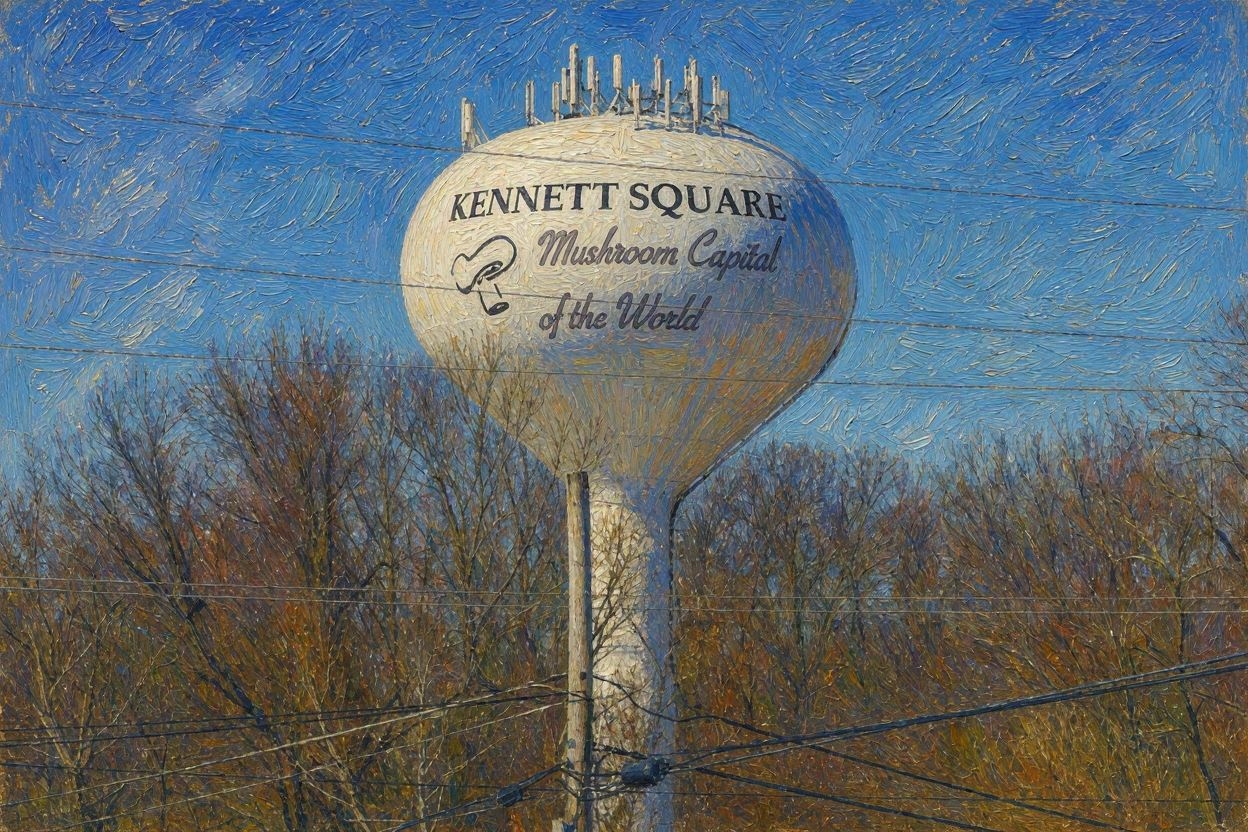
Chester County stretches from corporate campuses along Route 202 to mushroom farms outside Kennett Square. That range gives students an unusually wide array of ways to build a college application. A teen in Downingtown can spend a summer researching plant pathogens. Meanwhile, a student in West Chester can log service hours at a library system with seventeen branches. Together, these options let students build sustained, specific experience, and that is exactly what selective admissions officers notice.
The National Admissions Picture
Pennsylvania sits in one of the most competitive applicant pools in the country, and Chester County adds to that density. Suburban Philadelphia sends a steady stream of well-prepared applicants to selective colleges every year. As a result, students here compete against neighbors in Montgomery, Delaware, and Bucks Counties, not just against students nationally. Consequently, a strong transcript alone rarely stands out. Admissions officers are looking for depth in one or two areas, not a scattered list of activities.
Beyond the Penn State Anchor
Many Chester County families default to Penn State or the University of Delaware. Both sit within a short drive of the county line. Those schools are excellent options, and Early Decision there can be a smart move for a student whose top choice is clear. However, leaning too heavily on nearby flagships can narrow a student’s list before they explore what else fits. By contrast, students who research programs beyond the regional favorites tend to build applications with a clearer sense of purpose. That might mean a small liberal arts college in New England or a specialized engineering program out of state. Geographic familiarity is a starting point, not a strategy on its own.

What Makes Chester County Distinctive
Kennett Square produces roughly half of the mushrooms grown in the United States. That fact gives local students an unusual entry point into agricultural science and food systems research. Nearby, the Brandywine Valley carries the artistic legacy of the Wyeth family and the broader Brandywine School. Their work is on view today at the Brandywine Museum of Art in Chadds Ford. The corporate presence of Vanguard and West Pharmaceutical Services in the Great Valley corridor adds a finance and life-sciences dimension that few other suburban counties can match.
That mix of mushroom farms, museums, and corporate headquarters gives students plenty of material for a specific college essay. A student who can describe the smell of a compost house outside Kennett Square, or the particular quiet of a Wyeth landscape, writes with detail that a generic reflection on suburban life cannot match. That specificity is exactly what admissions readers are trained to notice.
Programs and Opportunities for Chester County Students
Cultivating Horticultural Experience at Longwood Gardens
Longwood Gardens in Kennett Square runs a Teen Volunteer Program open to students in grades 9 through 12. Volunteers work alongside horticulture staff across the Gardens. The work ranges from hands-on plant care to visitor-facing interpretive tasks. This program runs for seven weeks each summer, with shifts held Monday through Thursday mornings. It requires at least one shift per week, plus a mandatory training session. New applicants must also submit a letter of reference, so students should ask a teacher or mentor early in the school year.
For a student drawn to plant science, environmental studies, or even design, this is about as direct a connection to Chester County’s agricultural identity as a high schooler can find. Longwood’s scale (more than a thousand acres of gardens, woodlands, and meadows) means volunteers can rotate through different areas. In doing so, they can discover which part of horticulture actually interests them most.
Gaining Civic Experience at the Chester County Commissioners’ Office
Chester County’s Commissioners’ Office offers unpaid internships to high school students. Hours are negotiable, so a student can build their internship around a normal school schedule. The Commissioners’ Office also allows interns to work in-person or using a hybrid approach. Interns interact directly with elected officials. They also get exposure to the county departments and services those officials oversee, plus visits to local businesses and nonprofits.
To apply, a student contacts a specific commissioner directly through the county’s website. That means this program rewards students who do a little homework first. Reading up on a commissioner’s priorities before reaching out shows real initiative, not just interest in the internship itself. For a student interested in public policy, law, or local government, that early exposure to county government can shape a genuinely specific college essay.
Serving the Community at the Chester County Library System
The Chester County Library System, based in Exton with branches across the county, offers a year-round High School Volunteer Program for students 16 and older. Volunteers commit to one three-hour shift per week, assisting with tasks like shelving and patron services. A separate Teen Summer Volunteer Program that is open to ages 14 and up runs seasonally and has its own application window each spring.
This kind of steady, low-barrier commitment suits a student who wants to demonstrate reliability over time, rather than a single flashy credential. Notably, sustained volunteer work often matters more to admissions readers than students expect. It signals follow-through in a way that a one-time event cannot.
Exploring STEM and Agriculture Through 4-H
Chester County 4-H, delivered locally through Penn State Extension, offers project areas across many fields. Options range from robotics and engineering design to livestock, equine science, and food and nutrition. Students ages 13 to 18 who are already enrolled in a local club can also join the County Teen Council. That council builds leadership experience through service projects and countywide events. Because 4-H is rooted in the county’s agricultural history, it connects naturally to the same food-systems and life-sciences themes that make Kennett Square distinctive.
For a student who has already found a related interest through 4-H, the program offers a way to deepen that interest year over year. That is true whether the interest is engineering, animal science, or sustainable agriculture, and it beats starting from scratch each summer.
Building a Standout Profile
None of these programs, on their own, will make an application. What matters more is what a student does with the time. Do they stay with one interest long enough to develop real expertise? Also, do they take on more responsibility as they go, and can they speak specifically about what they learned? Rigorous coursework at school still carries the most weight. Students should treat outside programs as a complement to a demanding transcript, not a substitute for one.
Chester County’s blend of horticulture, civic engagement, library service, and 4-H gives students several legitimate paths toward that kind of depth. In the end, the specific program matters less than the discipline a student brings to it. College Transitions works with families across Chester County to help students turn opportunities like these into applications that hold together. Together, we help build a college list that goes well beyond the schools down the road.

