
West Lafayette is a small city with an outsized address. Purdue University sits at its center, and the campus shapes nearly everything around it, from traffic on State Street to conversations at the dinner table. For ambitious high school students, that proximity offers real advantages. However, it also creates a trap: the assumption that the university next door is the only destination worth considering.
This guide explains how to get into top colleges from West Lafayette by using the city’s resources with intention. It covers the national admissions picture, what makes the area distinctive, and specific programs that currently accept high school students.
The National Admissions Picture for West Lafayette Students
Where Indiana Fits
Indiana sits in a part of the country that selective colleges actively want to represent. Highly selective private colleges draw heavily from the Northeast, California, and large metro suburbs. As a result, a strong applicant from a small Midwestern city usually competes against fewer students from similar schools and neighborhoods.
Still, the advantage has clear limits. Geography helps only students who have already built strong profiles, with rigorous coursework, strong grades, and a focused record outside class. Many West Lafayette students also share similar interests in engineering, computer science, and medicine, often shaped by parents who work at Purdue. Consequently, standing out locally requires a sharper focus than many families expect.
Early Decision can strengthen a well-built application. For students with a clear first choice, an ED application signals real commitment, and many selective colleges admit a larger share of their early pool. That said, ED is binding, so families should review each college’s financial aid policies before committing.
The Pull of Purdue
For many local families, Purdue is less a choice than a default. The pull is understandable. Purdue received a record 86,953 applications for fall 2025, its 14th consecutive record year. It also admitted Indiana residents at roughly 71%, far above its out-of-state rate. In addition, Indiana’s new Enrollment Honors Plus Seal now guarantees general admission to Purdue and the state’s other public universities for students who earn it.
Even so, a guaranteed path should anchor a college list, not end it. The seal promises general admission, not a seat in Purdue’s most competitive majors. The seal promises general admission, not a seat in Purdue’s most competitive majors. A student with a rigorous transcript and a focused record should also research selective private colleges, out-of-state flagships, and specialized programs that fit their interests. Broadening that list begins with understanding what makes West Lafayette itself so distinctive.

What Makes West Lafayette Distinctive
The Cradle of Astronauts
Purdue calls itself the Cradle of Astronauts, and the label rests on real numbers. The Cradle now counts 30 Purdue alumni, a line that began in 1959 when Gus Grissom joined NASA’s Mercury Seven. Its members include Neil Armstrong and Gene Cernan, the first and the most recent people to walk on the moon. For local students, that legacy is part of the everyday landscape.
Subaru’s Only Plant Outside Japan
Across the Wabash River in Lafayette, Subaru of Indiana Automotive runs the company’s only manufacturing plant outside Japan. The plant began production in 1989, and in 2004 it became the first U.S. auto plant to reach zero-landfill status. Today, it also builds the Forester Hybrid, the first Subaru hybrid made in the United States. For students interested in manufacturing or sustainability, the plant offers a concrete local case study.
A Wetland Reclaimed From a Celery Farm
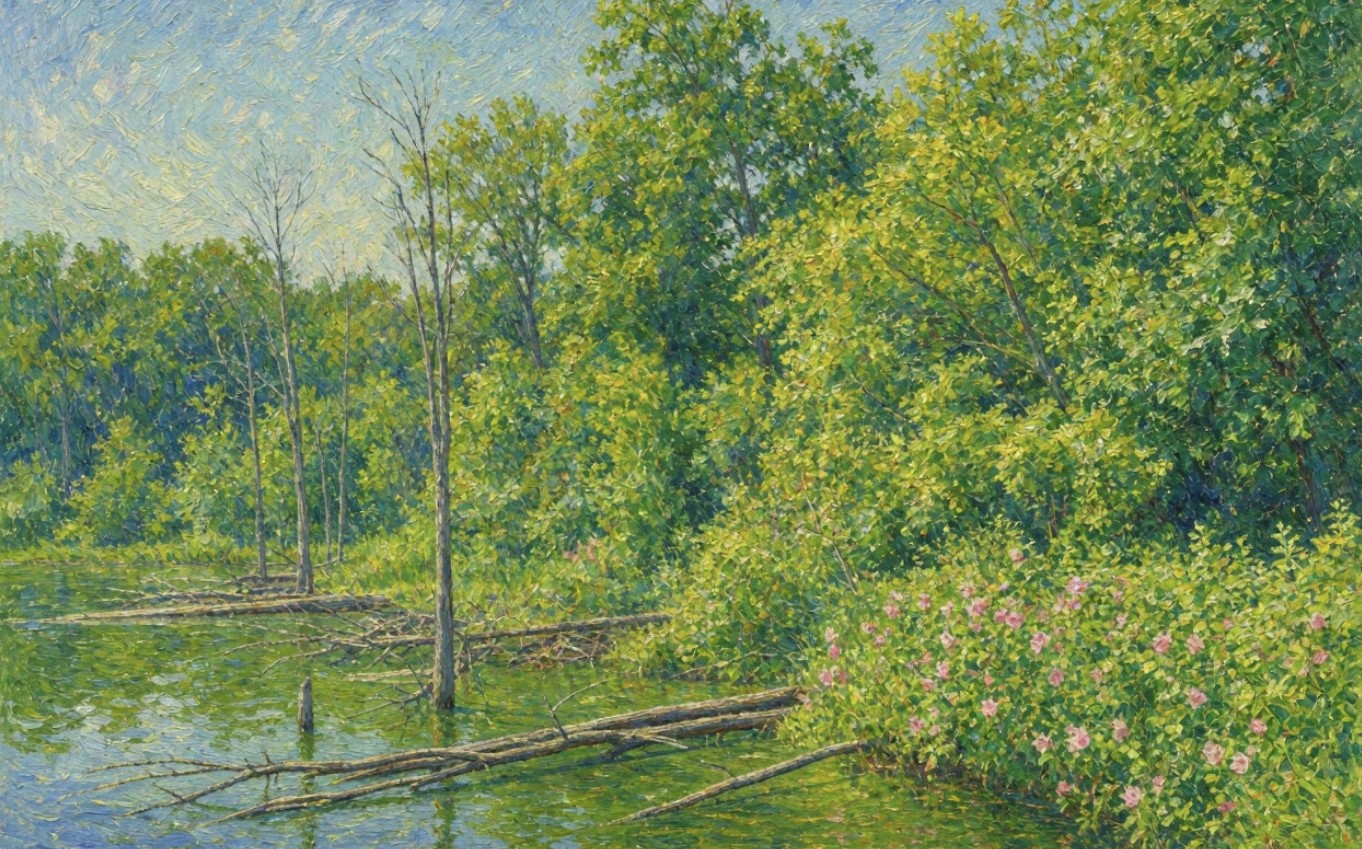
On the city’s northwest side, the Celery Bog Nature Area covers 195 acres of wetland, woods, and prairie. For much of the 20th century, farmers drained the wetland and grew celery and other vegetables in its peat soil. Today, the Indiana Natural Heritage Program lists the bog as a significant ecological site, and nearly 120 bird species visit or live there. Moreover, the Lilly Nature Center on the property hosts environmental programs throughout the year.
Fort Ouiatenon and the Feast of the Hunters’ Moon
Southwest of town, Fort Ouiatenon Historic Park recalls the first fortified European post in what is now Indiana, which the French established in 1717. Each October, the Tippecanoe County Historical Association stages the Feast of the Hunters’ Moon there. The festival reenacts the fall gatherings of French traders and Native peoples.
This history requires care. The Native nations connected to Ouiatenon, and to the nearby 1811 Battle of Tippecanoe, hold that history as their own. Students from those communities can write about it with an authority others cannot claim. For everyone else, a more honest subject is how a community chooses to interpret and celebrate its past.
Writing About West Lafayette with Precision
These features give students rich essay material, but only when they write with specificity. A line like “I grew up near Purdue” tells a reader very little. By contrast, consider an essay about counting herons at the bog on a Saturday morning. If it also notices the old drainage tiles that still mark the bog’s farming past, it shows real observation. The programs below give students practical ways to build that kind of firsthand knowledge.

Programs and Opportunities for West Lafayette Students
Research and Laboratory Science
Weldon School of Biomedical Engineering High School Summer Research Internship
Purdue’s Weldon School of Biomedical Engineering launched its High School Summer Research Internship in 2023. In 2025, the program selected four students from Tippecanoe County high schools after an application and interview process. Each intern joined a research lab with a mentor and spent about 35 hours per week on ongoing projects for six weeks.
The experience also extended beyond the bench. Interns took part in professional development workshops, journal clubs, and introductory Python sessions, and they toured three Cook companies in West Lafayette. The summer ended with a research poster session.
Cook Research Incorporated supports the program, and interested students should follow the Weldon School’s announcements and ask their school counselors about the next application cycle.
Summer Science Program in Biochemistry at Purdue
Purdue also hosts the Summer Science Program (SSP), a national research program founded in 1959. Biochemistry participants work in teams of three on a project called Fungal Inhibitor Design. Together, they characterize an enzyme from a fungal crop pathogen, model its structure, and design a molecule that could block it. The Purdue session typically runs from late June through early August.
Eligibility is narrow. Applicants must be current high school juniors who are at least 15 and not yet 19 during the program. They must also complete high school biology and chemistry by June, although SSP does not require AP courses. Applications open in the winter, and the domestic deadline falls in February.
The program fee is $11,800; however, SSP covers 100% of demonstrated need, and applying costs nothing. One caution applies: SSP assigns campuses after admission, so a local applicant may end up at another host site.
Veterinary Medicine
Purdue College of Veterinary Medicine Senior Boiler Vet Camp
Students interested in medicine can also look across species. Purdue’s College of Veterinary Medicine runs Senior Boiler Vet Camp, a seven-day residential program for students entering 10th, 11th, or 12th grade. Campers live in an on-campus residence hall and take part in presentations, labs, and hands-on activities. They also get a direct look at what veterinary school involves. The camp typically takes place in late June.
Selection is competitive. Each camp accepts 50 students, and a committee reviews essays about each applicant’s interest in veterinary medicine. Applications are due February 1, and Purdue notifies applicants in early March. Notably, the college gives no preference to Indiana residents, so local students compete with a national pool.
The camp costs $1,600, which covers housing, meals, supplies, and transportation, and partial scholarships are available. Students who attended Junior Boiler Vet Camp in 8th or 9th grade may apply, but no one can repeat the senior camp. For West Lafayette students, the camp pairs naturally with longer local commitments, such as the zoo program below.

Conservation and Community Service
Columbian Park Zoo Teen Program
Columbian Park Zoo in Lafayette, founded in 1908, is the second-oldest zoo in Indiana. Its Zoo Teen program serves students ages 14 to 17 who want to explore careers in zookeeping, conservation, and wildlife education. Applicants must fall in that age range on June 1 of the application year. Accepted teens volunteer one four-hour shift per week over the summer and learn hands-on skills with select zoo animals.
The application requires an online form signed by both the applicant and a parent, along with a teacher or mentor recommendation. Applications open in January, with application materials due in mid-March. Importantly, the zoo encourages multiyear participation, so a student who starts at 14 can grow into a leader over several summers.
Tippecanoe County Public Library Teen Volunteers
The Tippecanoe County Public Library offers a more accessible entry point. Each summer, teens help run the Summer Reading Club across the library’s branches, including the Klondike Branch in West Lafayette. Volunteers sign children up, update the reading database, hand out prizes, and encourage young readers to keep going.
Applicants must be at least 12 by May 31 and able to work one two-hour shift each week. Applications are due in May, and volunteers attend a training day before beginning their volunteer work. The commitment is modest; however, a student who returns for several summers can build a steady record of service.
Turning West Lafayette Experience Into a Strong Application
Selective colleges rarely admit students for the number of programs they attend. Instead, they reward sustained interest over several years, depth in one or two areas, and a transcript that shows real academic rigor. For example, a three-summer Zoo Teen might design a small habitat study for a biology class. That record looks far stronger than one built from ten unrelated activities.
West Lafayette makes that kind of depth possible. A future bioengineer can pursue the Weldon internship, while a student drawn to chemistry can apply to SSP. Similarly, a future veterinarian can follow Boiler Vet Camp with several summers at Columbian Park Zoo. In each case, the strongest applicants connect their work to a real local question, such as wetland recovery or factory waste. They then write about it with precision. College Transitions helps West Lafayette families identify those connections early, build a balanced college list, and shape every part of the application around a clear and authentic focus.

