San Francisco is one of the most institutionally dense cities in the country. That density is not limited to tech, however. City government, research campuses, museums, and youth nonprofits all offer paid opportunities built for current high schoolers. Most families in the Sunset, the Richmond, Bayview, or the Mission know pieces of this landscape. Few use it as deliberately as they could.
San Francisco’s Position in the Admissions Landscape
California is one of the most competitive states for selective admissions. Its population is large, and, additionally, the UC system carries real reputational pull. As a result, San Francisco students compete in an unusually saturated pool. Consequently, a strong GPA and a standard activity list rarely stand out to readers who see hundreds of similar Bay Area profiles.
That saturation also produces a distinct pattern: the UC anchor bias. Many San Francisco families build their college list around Berkeley and UCLA, plus a short reach list. In turn, everything else becomes an afterthought. This narrows opportunity instead of expanding it. Selective private universities outside California, especially in the Northeast and Midwest, see fewer applicants from San Francisco. That is true even relative to their own regional pipelines. For a student with a genuine, well-documented profile, applying beyond the UC system is often an advantage rather than a compromise.
None of this changes the underlying rule, however. Geography only helps a student who already has a real record of sustained work. A program name on an application means little without depth behind it.
What Makes San Francisco Genuinely Distinctive
A City Built on Fog, Hills, and the Bay
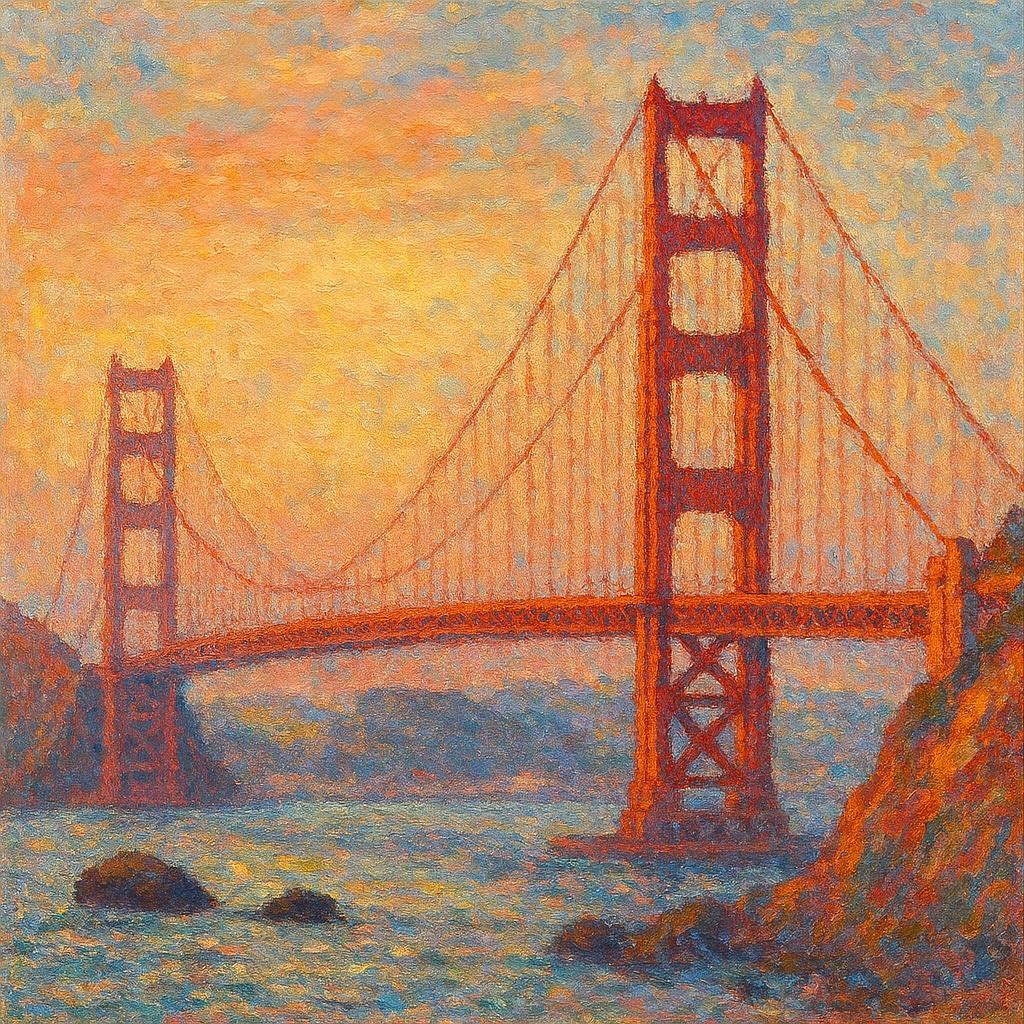
San Francisco’s geography is unusual among American cities. Notably, it sits on a small peninsula, surrounded on three sides by water. More than 40 hills shape its street grid. A marine layer rolls in through the Golden Gate most summer afternoons, too. This geography is not just scenery. It also shapes transportation policy and housing density. Additionally, it shapes the city’s relationship to sea-level rise, since much of the eastern shoreline sits on fill built out into the Bay over a century ago.
For students interested in environmental science or civil engineering, this is a live laboratory. The Bay is a site of ongoing wetland restoration and adaptation planning. For students, this means they can observe this work directly, not just read about it. A student who writes precisely about a flooded street during a king tide produces an essay grounded in something specific. So does a student who describes a particular fog pattern over a particular block. Both approaches beat generic description by a wide margin.
A Local Economy Organized Around Technology
San Francisco’s identity is inseparable from the technology industry headquartered within it. That concentration creates a real tension, and it is worth naming honestly. The same industry that funds much of the city’s opportunity infrastructure has also reshaped its cost of living. Moreover, it has displaced long-standing communities. Students who write about that tension with nuance, rather than treating tech as hero or villain, show exactly the kind of complicated thinking selective readers want to see.
Communities With Their Own History
Neighborhoods including the Fillmore, Chinatown, and the Castro carry specific cultural weight. That weight is tied to Black, Chinese American, and LGBTQ+ communities respectively. These histories are genuine civic assets for San Francisco. However, they belong most authentically to students who come from those communities. A student from outside can still study this history with rigor and respect. That student should not, though, present it as personal narrative or as a generic advantage available to any applicant.

Verified Programs and Resources for Current High Schoolers
Project Pull: Paid Internships Inside City Government
Project Pull has placed San Francisco high schoolers in paid summer internships for more than two decades. Interns spend eight weeks working alongside professionals at the San Francisco Public Utilities Commission and partner agencies. The program runs in coordination with SFUSD. Students learn architecture, engineering, business, and science roles inside a large public utility, including water infrastructure and environmental compliance work.
For students who want a public-sector angle without a narrow technical focus, Project Pull is a low-barrier entry point. It requires no prior credential, only genuine interest and a completed SFUSD application. In turn, it produces a specific, citable experience inside real municipal operations.
SF YouthWorks: A Broader City Internship Pipeline
YouthWorks places San Francisco juniors and seniors in paid internships across more than 30 city departments. That list includes the airport, the library, and the Department of Public Health. Students earn San Francisco’s prevailing wage. They also take part in mentorship, field trips, and service projects tied to their placement. Because the department list is so broad, students with a range of interests can find a relevant placement.
Students should apply as juniors, so they have time to build a second, related experience senior year. A pattern of two placements in the same civic sector matters more than one department alone. That pattern is what turns an internship into demonstrated interest.
Mission Bit: Free Coding Education with Real Industry Ties
Mission Bit is a nonprofit that provides free coding classes to San Francisco public school students. It focuses deliberately on students from communities underrepresented in tech. Courses run during the school year as after-school electives. In the summer, they run as six-week intensives in Python, web development, and other languages. Working engineers volunteer their time to teach every course. The organization also partners with San Francisco tech companies to build internships and creative projects for participating students.
For a student without a computer science elective at their own school, Mission Bit fills a real gap. It requires no prior coding experience. Its Demo Day culminating event gives students a concrete, presentable project, not an abstract certificate. Free access, together with a tangible deliverable, makes this one of the more credible entry points into tech for students without other pathways in.
Careers in Science: A Multi-Year Paid Fellowship at the Academy of Sciences
The California Academy of Sciences runs Careers in Science. It is a multi-year, paid internship and youth development program for underrepresented San Francisco high schoolers in STEM. Students commit through graduation, working after school and on weekends at the Academy’s Golden Gate Park campus. Notably, the program pays above minimum wage throughout.
This program rewards students who commit early. A ninth or tenth grader who joins and stays through senior year builds a documented, multi-year relationship with a major research institution. That reads very differently than a single, unrelated summer program. Eligibility requires enrollment in an SFUSD school, plus a 2.5 GPA and a C or better in science and math.
iCLEM: Paid Biotech Research Through the Joint BioEnergy Institute
iCLEM, the Introductory College Level Experience in Microbiology, is a seven-week paid research internship. It serves sophomores and juniors from San Francisco, Alameda, or Contra Costa County from lower-income households. The program is hosted at the Joint BioEnergy Institute’s Emeryville labs, a short trip across the Bay Bridge. Students complete a mentored research project in microbiology, biochemistry, or synthetic biology. They earn a stipend, too, while also receiving direct help with personal statements and applications.
iCLEM is selective and income-restricted. Students should confirm current eligibility thresholds before applying. For the right student, however, it offers something rare. That is a real research project inside a working federal lab, together with structured admissions preparation.
Building a Competitive Application from San Francisco
Choose Depth Over Breadth Early
San Francisco offers so many credible pathways: civic internships, tech nonprofits, biotech research, and museum fellowships. A student can easily spread thin across all of them. The strongest applications, instead, follow one thread for two or three years. A student should identify a specific interest by ninth or tenth grade. From there, every later opportunity should deepen that thread, not diversify away from it.
Convert a Single Summer Into a Multi-Year Relationship
Programs like Careers in Science and Mission Bit are built explicitly to reward returning students. Where possible, a student should treat a first placement as an entry point, not a one-time credential. Returning in a more advanced role the following year matters, too. That progression, from participant to near-mentor, is exactly the kind of sustained engagement selective admissions offices notice.
Write About the City With Precision
San Francisco is one of the most-written-about cities in American college essays. That popularity makes vague description a real liability. For example, a student who mentions “the fog” or “the tech industry” in generic terms sounds like every other Bay Area applicant. By contrast, a student who writes about a specific fog pattern, or a specific tension inside a specific internship, stands apart. That specificity is what a tired admissions reader actually notices.
Broaden the College List Deliberately
Many San Francisco students default to the UC system. Students with strong, well-documented profiles should also research selective schools outside California. Schools such as Case Western Reserve, Tulane, Washington and Lee, and Colgate see far fewer San Francisco applicants than Berkeley or UCLA. For students with a documented interest in technology or public policy, schools with strong applied programs deserve real consideration, too. A lighter West Coast applicant pool is a genuine, if underused, advantage.
The Bottom Line
San Francisco gives its high schoolers an unusual density of paid, verifiable opportunities. City government internships come through Project Pull and YouthWorks. Free coding education with real industry ties comes through Mission Bit. Paid research fellowships come through the Academy of Sciences and iCLEM. All of it is open today to current high schoolers, with clear eligibility rules and application windows.
Students who choose one thread early, and stay with it across multiple years, turn these resources into an application that stands out. Writing about the city with real specificity matters just as much. The opportunity is there already. Using it intentionally is what separates a strong profile from a compelling one.
If you would like help identifying which San Francisco programs fit your student’s interests, College Transitions is here. We can help turn them into a coherent, multi-year strategy. Schedule a consultation, and let’s put the city to work for your student.